

Tech Help for Cincinnati Seniors: Free One-on-One Lessons

Published on SeniorImpact.com  |  March 2026  |  Cincinnati, Ohio

If you’ve ever handed your phone to a grandchild and said “can you fix this?” you’re not alone. Technology can feel overwhelming when it changes faster than you can keep up. But here’s the truth: you don’t need to be a tech expert. You just need to be comfortable enough to video call your family, manage your Medicare account online, pay a bill, and maybe check the weather. Cincinnati has multiple free resources to help you get there.

The Cincinnati Public Library

Every branch of the Cincinnati and Hamilton County Public Library offers free technology assistance. Many branches run scheduled classes on topics like smartphone basics, email, video calling, social media, and online safety. But the most valuable service is one-on-one tech help—you can book a session with a library staff member who will sit with you and work through whatever you’re struggling with at your own pace. Call your local branch or visit cincinnatilibrary.org to check the schedule. The Main Library downtown, Anderson Branch, and Norwood Branch are especially active with tech programming for seniors.

Senior Centers With Tech Programs

Several Cincinnati-area senior centers offer regular technology classes and drop-in help sessions. The Anderson Senior Center, College Hill Recreation Center, and Maple Knoll Village all run programs. Some are structured classes; others are informal help sessions where you bring your device and a volunteer walks you through whatever you need. These tend to be small, patient, and specifically geared toward older adults.

OLLI at UC

The Osher Lifelong Learning Institute at the University of Cincinnati offers technology courses designed for adults 50 and older. Classes cover everything from iPad basics to digital photography to navigating the internet safely. The instructors are experienced with older learners and don’t rush. Courses are affordable and run throughout the year.

AARP TEK Workshops

AARP runs free TEK (Technology Education Knowledge) workshops in communities across the country, including the Cincinnati area. These hands-on sessions cover smartphones, tablets, online safety, and social media. Check aarp.org/tek or call 1-877-926-8300 for upcoming Cincinnati sessions.

What to Learn First

If you’re starting from scratch, focus on these skills: making and receiving phone calls and texts, using video calling (FaceTime or Zoom) to connect with family, accessing your email, searching the internet for information, and managing your Medicare and banking accounts online. Everything else is a bonus. Don’t try to learn it all at once—pick one thing, practice it until you’re comfortable, then move on.

Staying Safe Online

The most important tech lesson for seniors is online safety. Never share your Social Security number, bank account information, or passwords by email, text, or phone—even if the message appears to come from your bank or Medicare. Don’t click links in unexpected emails or texts. Use strong, unique passwords for each account. If something feels wrong, trust your instincts and hang up or close the window. The AARP Fraud Watch Network at 1-877-908-3360 can help if you think you’ve been targeted. Additionally, the Hamilton County Prosecutor’s Office has a dedicated Elder Justice Unit who assist in prosecuting crimes against the elderly. If you have any questions about a crime against an elderly person, you can call their helpline at (513) 946-SCAM (7226).

•  •  •

Technology doesn’t have to be scary. Start with one free class, learn one new skill, and build from there. Share this with a Cincinnati senior who’s been avoiding their smartphone.


10 Free and Low-Cost Things to Do in Cincinnati This Spring for Seniors


Spring in Cincinnati is one of the best-kept secrets in the Midwest. The temperatures climb into the 60s and 70s, the city’s legendary parks explode with color, and a whole calendar of events opens up that won’t cost you more than a tank of gas—if that. Whether you’re looking for a solo afternoon out or a social outing with friends, here are ten things worth putting on your spring calendar.

1. Stroll Through Krohn Conservatory

Tucked inside Eden Park, the Krohn Conservatory is one of Cincinnati’s great treasures. The permanent collection of tropical, desert, and orchid displays is open year-round, and in spring the annual butterfly show draws visitors from across the region. General admission is just $10, but Hamilton County seniors can often find discounted days. The conservatory is fully accessible with paved paths throughout, and the warm, humid air inside feels wonderful on a cool spring morning.

2. Walk the Grounds at Spring Grove Cemetery and Arboretum

Don’t let the name put you off. Spring Grove is a National Historic Landmark spanning 733 acres with over 1,200 labeled trees and shrubs. It’s a world-class arboretum that happens to also be a cemetery. The paved roads are gentle and flat, perfect for a leisurely walk or even a slow drive with the windows down. Spring brings stunning magnolias, cherry blossoms, and daffodil fields. Admission is always free.

3. Explore Ault Park

Ault Park sits on a ridge in the eastern part of the city with sweeping views of the Little Miami River valley. The Italian Renaissance-style pavilion is a Cincinnati landmark, and the surrounding gardens are immaculately maintained. In spring, the park hosts a popular garden party and plant sale. Parking and admission are free. The main paths around the pavilion are paved and manageable, though some of the hillside trails get steep.

4. Catch a Free Concert at Washington Park

Over-the-Rhine’s Washington Park runs a full schedule of free outdoor concerts and events from spring through fall. Bring a lawn chair, grab a coffee from one of the nearby cafes, and enjoy everything from jazz ensembles to folk acts. The park has accessible restrooms, flat pathways, and plenty of bench seating. Check the Washington Park website – www.washingtonpark.org – for dates and times.

5. Visit the Cincinnati Art Museum — It’s Free

The Cincinnati Art Museum in Eden Park has been free to visit since 2003, and it’s one of the finest regional art museums in the country. The permanent collection includes over 67,000 works spanning 6,000 years. Special exhibitions occasionally carry a small fee, but the vast majority of the museum is always open at no cost. The building is fully accessible with elevators, benches in every gallery, and wheelchairs available at the front desk.

6. Take a Self-Guided Tour of Findlay Market

Ohio’s oldest continuously operated public market has been serving Cincinnati since 1855. You can spend an entire morning browsing the indoor vendors—cheese shops, butchers, bakeries, flower stands—and the outdoor market on weekends adds local farmers, artisans, and prepared food vendors. It’s free to browse, and you’ll be hard-pressed to spend more than a few dollars on a pastry and coffee. The main indoor aisles are flat and accessible, though weekend crowds can get thick, so weekday mornings are ideal.

7. Ride the Streetcar for Free

The Cincinnati Bell Connector streetcar runs a 3.6-mile loop connecting The Banks, downtown, and Over-the-Rhine. It’s a fun, easy way to see the city without worrying about parking or walking long distances. And the best part – rides are free! The streetcar is fully ADA accessible with low-floor boarding. Pair it with a stop at Findlay Market or Washington Park for a full morning out.

8. Enjoy the Views at Eden Park Overlooks

Eden Park offers multiple overlook points where you can see the Ohio River, Northern Kentucky, and downtown Cincinnati spread out below you. Twin Lakes, Mirror Lake, and the Hinkle Magnolia Garden are all worth visiting. Parking is free throughout the park, and most of the main scenic points are accessible from the road without long walks. Spring mornings, when the haze burns off and the dogwoods are in bloom, are especially beautiful. Afterwards, grab a bite at one of the restaurants in Mt. Adams.

9. Attend a Library Program

The Cincinnati and Hamilton County Public Library system runs hundreds of free programs specifically designed for adults and seniors. From book clubs and genealogy workshops to tech tutoring and health seminars, there’s something happening at nearly every branch every week. The downtown Main Library on Vine Street is a stunning building worth visiting on its own, with comfortable reading rooms and a popular history and genealogy department. Check their website – www.chpl.org – or call your local branch to see what’s coming up.

10. Picnic at Sharon Woods or Winton Woods

The Great Parks of Hamilton County system maintains some of the best green spaces in the region. Sharon Woods and Winton Woods both offer paved walking trails, fishing lakes, picnic shelters, and nature centers. A vehicle permit costs $10 for Hamilton County residents and $16 for non-residents, or you can walk or bike in for free. The Gorge Trail at Sharon Woods is a gentle, paved loop through a beautiful ravine—one of the best easy walks in the county. Pack a lunch, bring your binoculars, and make a morning of it.

•  •  •

The bottom line: Cincinnati has more free and low-cost spring activities than most people realize, and many of them are perfectly suited for seniors who want to stay active, social, and engaged without spending a fortune. Pick one or two from this list, put them on your calendar, and get out there.

These Resources Can Help Seniors From Falling

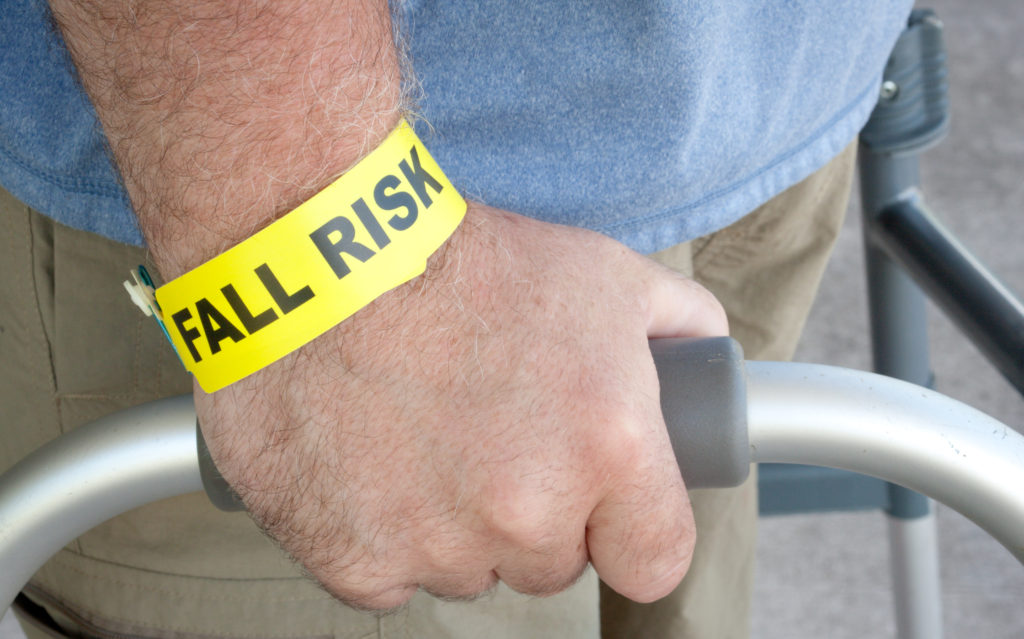
You’ve seen the commercials so much now that it’s almost cliche – “I’ve fallen and I can’t get up.” By now, everyone knows how serious a fall can be to a senior. According to the CDC, 36 million falls are reported among seniors each year. One in five falls causes an injury, and over 32,000 seniors die annually as the result of a fall. And as great as services are that assist seniors after they fall, it would obviously be much better if the fall never happened.

Well, there is help. In Ohio, two organizations have a specific goal of preventing falls for seniors. A statewide program, SteadyU, is a program run by the Ohio Department of Aging. They emphasize reducing falls by paying attention to the “Three H’s” – your home, your health and your habits. They offer tips and assistance in avoiding falls. They also offer a Falls Risk Assessment, an anonymous questionnaire designed to determine your risk of having a fall.

In Southwest Ohio, the Falls Prevention Taskforce seeks to “reduce falls and fall-related injuries in older adults though community collaboration, awareness, education and effective interventions.” Over 20 groups and organizations throughout Southwest Ohio, Northern Kentucky and Southeast Indiana help find ways to keep seniors safe from falls in their homes. They offer screening tools, news, classes – such as Tai Chi and yoga – that help with balance, and much more.

Though both resources are based in Ohio, the information and tools provided can help anyone!

In addition to these state resource, the CDC also publishes a Stay Independent Brochure with helpful tips and a risk assessment.

All of these resources are free, and could help prevent a fall. So be sure to check them out!

Phone Tips for Seniors

With telemarketing and phone scams becoming more and more prevalent every day, phone safety is of the utmost importance for seniors. Additionally, it is important for seniors living alone to keep in contact with friends and relatives in case or a fall or health emergency. Here are some tips for seniors when dealing with unwanted calls, as well as ways to look out for each other.

• Start a buddy system. You and a friend or relative can set a special time when you call each other every day. It’s an easy way to keep track of each other and make sure you’re safe.

• People who live alone, especially women, have the ability list only first and middle initials in the telephone directory to avoid calls from people making harassing calls.

• Use answering machines for your land line to keep potential burglars guessing about who’s home and who’s not. Women living alone may ask a male friend or relative to make the recording using your telephone number only.

Stop telephone scams by keeping these tips in mind:

Never give our any personal information to anyone who calls you. If they do, ask for their phone number and tell them you will call them back. If they hang up you know they are scammers. If they give you a phone number, verify it (either online or look at a former statement from the company that claims to be calling you). Only after verifying the number should you feel safe giving any personal information over the phone.

• Hang up if a telemarketer or someone you don’t know calls before 8 a.m. or after 9 p.m.

• If you suspect a scam, call your State Attorney General. If you have been the victim of a scam, call the National Fraud Information Center at: 1-800-876-7060.

• Resist high pressure sales. True businesses will respect the word “no.”

• If you tell the seller not to call back and he does, hang up. That’s against the law!

• Be sure to get written information before you commit to anything.

When you’re out:

• Make sure someone knows where you’re going and when you expect to return.

• Carry change for emergency telephone and transportation use.

• Carry a shriek alarm.

• When using a bus or public transportation, sit as near the driver as possible.

Sources: Federal Trade Commission, Bellsouth, Senior Citizens Against Crime

Want to Avoid Probate? This Simple Little Tool Can Be a Big Help

Last Will and testament document on wooden table close up

Most of us, when we die, would like to make sure our assets are distributed in the manner we would like. With that in mind, we draft a will to ensure our wishes are carried out. When you die with a will (or even without one), your estate is referred to Probate Court, which is entrusted to make sure your assets are distributed in the way you intended. Probate Courts do a great job at this, but there can be drawbacks. A will can be contested if someone feels it was written under duress or mental impairment. Courts can also be very particular, so if every penny is not accounted for the distribution of assets may not be approved. It can be a long process, and you will most likely incur attorney’s fees. It is also public record, meaning anyone can view your will and any Probate Court filings.

However, there are methods to avoid probate. The most popular involve setting up a trust (which can be costly and will involve an attorney) or dual ownership of an asset (such as a home or bank account). One often overlook tool, though, is what is referred to as a Transfer on Death (TOD) designation.

A TOD typically works in the same manner as an insurance policy, which has a named beneficiary, except the TOD is used for investment or bank accounts. Say, for instance, that you have $50,000 in an investment account. Normally, when you die, that $50,000 would be called a “Probatable Asset” meaning the $50,000 would be part of the assets that would go into probate. However, with a TOD, there is no need for probate since you already have a designated beneficiary. In this case, your assets will transfer directly to your beneficiary (or beneficiaries) instead of being tied up in Probate Court. Another advantage of a TOD is that you can easily change your beneficiary by simply filling out a new form. With a will, you will need to draft a codicil explaining your wishes, or draft an entirely new will.

While a TOD may not solve all your problems if you wish to avoid probate, this little known tool is useful to keep certain assets out of probate, giving you the ability to ensure your assets are transferred quickly to your beneficiaries.

5 Myths About Exercise and Older Adults

The following comes courtesy of www.helpguide.org

Myth 1: There’s no point to exercising. I’m going to get old anyway.

Fact: Exercise and strength training helps you look and feel younger and stay active longer. Regular physical activity lowers your risk for a variety of conditions, including Alzheimer’s and dementia, heart disease, diabetes, colon cancer, high blood pressure, and obesity.

Myth 2: Elderly people shouldn’t exercise. They should save their strength and rest.

Fact: Research shows that a sedentary lifestyle is unhealthy for the elderly. Period. Inactivity often causes seniors to lose the ability to do things on their own and can lead to more hospitalizations, doctor visits, and use of medicines for illnesses.

Myth 3: Exercise puts me at risk of falling down.

Fact: Regular exercise, by building strength and stamina, prevents loss of bone mass and improves balance, actually reducing your risk of falling.

Myth 4: It’s too late. I’m already too old, to start exercising

Fact: You’re never too old to exercise! If you’ve never exercised before, or it’s been a while, start with light walking and other gentle activities.

Myth 5: I’m disabled. I can’t exercise sitting down.

Fact: Chair-bound people face special challenges but can lift light weights, stretch, and do chair aerobics to increase range of motion, improve muscle tone, and promote cardiovascular health.

Can a Diabetes Drug be the Cure for Alzheimer’s Disease?

It sounds too good to be true, but researchers at Lancaster University in England may have stumbled upon a cure for Alzheimer’s Disease. The findings were published in Brain Research, and were also explained in an article published by the University.

Alzheimer’s is the most common form of Dementia, and it affects nearly 44 million people – 5.3 million of whom reside in the U.S. – according to Alzheimer’s Disease International.

Lead researcher Professor Christian Holscher said the treatment “holds clear promise of being developed into a new treatment for chronic neurodegenerative disorders such as Alzheimer’s disease.”

In exploring drugs that treat other maladies, researchers decided to test the growth factors GLP-1, GIP and glucagon, also referred to as “triple agonist” drugs. The reasoning behind the approach is that growth factor signaling is impaired in the brains of people who suffer from Alzheimer’s, according to a statement from the university.

Researchers applied the drugs to mice that had the same mutated genes that cause Alzheimer’s in humans. Mice that underwent the treatment were tested in a maze. The findings indicated that the drug increased memory and learning function, reduced the amount of Amyloid plaque in the brain that is associated with Alzheimer’s, slowed down the rate of nerve cell loss in the brain, and reduced inflammation.

Although other drugs used to treat diabetes have shown limited success in reducing Amyloid plaque – you may have seen commercials for the drug Victoza – none has shown a difference in cognitive levels. And this new treatment is yet to be tested in humans.

Still, this new “triple receptor” treatment shows promise “as a potential treatment for Alzheimer’s but further dose-response tests and direct comparisons with other drugs have to be conducted in order to evaluate if this new drugs is superior to previous ones,” according to Professor Holscher. It is certainly hoped that the promise this treatment has shown in mice will carry over to humans.

Falls Prevention

Hamilton County, Ohio (which is basically Cincinnati) has for years commissioned a task force to study the cause of falls and to help seniors reduce their risk of falls. As I’m sure many of you know, taking appropriate steps to helps seniors prevent falls is an important issue, and one which really deserves more attention.

The Fall Prevention Task Force web site has a vast database of information for seniors and caregivers to help prevent falling. Many are practical tips that everyone can employ. Some things they recommend are:

Use Caution on Slippery or Uneven Surfaces

Don’t Rush! Take your time, especially when getting out of bed or standing up if you have been lying down or sitting for an extended period of time.

See a Physical or Occupational Therapist if you are afraid of falling. These visits are covered by Medicaid and Medicare if you are referred by a physician.

Wear proper clothing and footwear. This includes shorter pants, skirts and bathrobes, supportive rubber soled, low heels. Thick rubber soles increase the risk of falling because it is harder to feel the ground below your feet.

There are many, many more helpful articles and tips. I encourage anyone who is a senior or may be caring for an older adult to visit their website.