

Use this helpful checklist if you’re not sure if a nursing home is the right place for you.
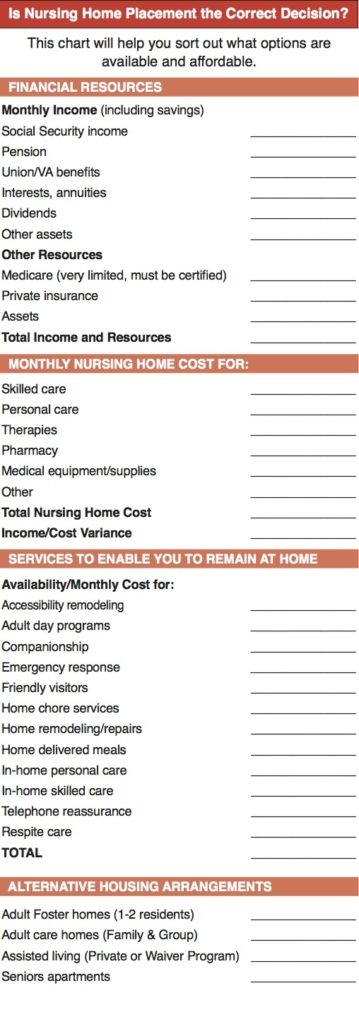
Use this helpful checklist if you’re not sure if a nursing home is the right place for you.

With telemarketing and phone scams becoming more and more prevalent every day, phone safety is of the utmost importance for seniors. Additionally, it is important for seniors living alone to keep in contact with friends and relatives in case or a fall or health emergency. Here are some tips for seniors when dealing with unwanted calls, as well as ways to look out for each other.
• Start a buddy system. You and a friend or relative can set a special time when you call each other every day. It’s an easy way to keep track of each other and make sure you’re safe.
• People who live alone, especially women, have the ability list only first and middle initials in the telephone directory to avoid calls from people making harassing calls.
• Use answering machines for your land line to keep potential burglars guessing about who’s home and who’s not. Women living alone may ask a male friend or relative to make the recording using your telephone number only.
Stop telephone scams by keeping these tips in mind:
• Never give our any personal information to anyone who calls you. If they do, ask for their phone number and tell them you will call them back. If they hang up you know they are scammers. If they give you a phone number, verify it (either online or look at a former statement from the company that claims to be calling you). Only after verifying the number should you feel safe giving any personal information over the phone.
• Hang up if a telemarketer or someone you don’t know calls before 8 a.m. or after 9 p.m.
• If you suspect a scam, call your State Attorney General. If you have been the victim of a scam, call the National Fraud Information Center at: 1-800-876-7060.
• Resist high pressure sales. True businesses will respect the word “no.”
• If you tell the seller not to call back and he does, hang up. That’s against the law!
• Be sure to get written information before you commit to anything.
When you’re out:
• Make sure someone knows where you’re going and when you expect to return.
• Carry change for emergency telephone and transportation use.
• Carry a shriek alarm.
• When using a bus or public transportation, sit as near the driver as possible.
Sources: Federal Trade Commission, Bellsouth, Senior Citizens Against Crime
Open a link to the form by clicking “Questions to Ask Your Healthcare Provider” or view it below