
Understanding Ohio’s Medicaid Changes in 2026: What Seniors Need to Know

Published on SeniorImpact.com  |  May 2026  |  Cincinnati, Ohio


Medicaid is a lifeline for hundreds of thousands of Ohio seniors, covering everything from nursing home care to in-home assistance to prescription drugs that Medicare alone doesn’t fully handle. But the program evolves every year, and 2026 has brought several changes that seniors and their families should understand. This article breaks down what’s changed, what it means for you, and where to get help navigating the system.

The Medicaid Unwinding Is Still Affecting Ohio Seniors

The COVID-era continuous enrollment protections that prevented states from dropping people from Medicaid ended in 2023, and the effects are still rippling through Ohio’s system. During the “unwinding,” many seniors lost coverage—not because they were ineligible, but because they missed renewal paperwork or because the state had outdated contact information. If you or someone you know was dropped from Medicaid in the past two years, it’s worth reapplying. Eligibility hasn’t necessarily changed; the paperwork process just caught people off guard. Your local County Department of Job and Family Services can help you reapply, and the process can be done online, in person, or by phone.

Income and Asset Limits for 2026

Ohio Medicaid eligibility for seniors is based on income and, in some cases, assets. For the Aged, Blind, and Disabled (ABD) category that most seniors fall under, the income limit is tied to the Federal Poverty Level and adjusted annually. For 2026, a single individual generally qualifies if their monthly income is at or below approximately $1,732 (this figure may have been adjusted—confirm with your caseworker). Married couples have a higher threshold. Asset limits also apply for certain programs, though Ohio has eliminated the asset test for many Medicaid categories. Your home, one vehicle, and certain other assets are typically excluded from the count.

Important: Medicaid eligibility rules are complex and depend on which specific program you’re applying for. The numbers above are general guidelines. Always verify current limits with your County Department of Job and Family Services or a certified Medicaid planner.

Ohio’s PACE Program: A Hidden Gem for Cincinnati Seniors

The Program of All-Inclusive Care for the Elderly, known as PACE, is one of the most comprehensive senior care programs available in Ohio, and many Cincinnati families have never heard of it. PACE is designed for adults age 55 and older who qualify for nursing home-level care but want to remain living at home. The program provides coordinated medical care, adult day services, transportation, meals, home care, prescriptions, and more—all through a single provider. PACE programs are available in most, but not, Ohio counties. Call you local Area Agency on Aging to see if a PACE center serves your ares. If you qualify for both Medicare and Medicaid, PACE can cover virtually all of your healthcare needs with no premiums and minimal or no copays.

The Medicaid Waiver Programs: Staying Home Instead of a Nursing Facility

Ohio operates several Medicaid waiver programs that allow seniors to receive care in their own homes or in community settings rather than in nursing homes. The most relevant for Cincinnati seniors are the PASSPORT waiver and the MyCare Ohio program. PASSPORT provides home-delivered meals, personal care assistance, home modifications, emergency response systems, and adult day care. MyCare Ohio integrates Medicare and Medicaid benefits into a single managed care plan for people who are eligible for both. These programs can make it financially possible to age in place even when you need significant daily assistance. The catch is that waiver programs often have waiting lists, so applying early is important.

What the Federal Medicaid Debate Means for Ohio

At the federal level, there is ongoing debate about restructuring Medicaid funding, including proposals to convert federal Medicaid funding to block grants or per-capita caps. If enacted, these changes could significantly affect Ohio’s Medicaid program and the services available to seniors. While nothing has been finalized as of early 2026, Ohio seniors and their families should be paying attention. Advocacy organizations like AARP Ohio, the Ohio Academy of Senior Health Sciences, and the Universal Health Care Action Network of Ohio are tracking these proposals and can help you stay informed and make your voice heard.

How to Apply or Renew in Ohio

If you need to apply for Ohio Medicaid or renew your coverage, you have several options. You can apply online through the Ohio Benefits Self-Service Portal, call the Hamilton County Department of Job and Family Services directly, or visit their office in person. For help navigating the application, the Council on Aging of Southwestern Ohio offers free Medicaid counseling, and Pro Seniors provides legal assistance for seniors facing Medicaid denials or complications. The Ohio Senior Health Insurance Information Program (OSHIIP) can also help you understand how Medicaid works alongside your Medicare coverage.

Medicaid Planning: It’s Not Too Late

If you or a family member may need long-term care in the future, Medicaid planning with a qualified elder law attorney can protect assets while ensuring eligibility. Ohio has a five-year “look-back” period for asset transfers, which means planning ahead is essential. Several elder law firms specialize in Medicaid planning, and your area Bar Association can provide referrals. Don’t wait until you’re in a crisis to explore your options—the earlier you plan, the more options you have.

•  •  •

The bottom line: Ohio’s Medicaid system is complicated, but it provides vital services that can dramatically improve quality of life for Ohio seniors. Whether you’re applying for the first time, renewing your coverage, or exploring waiver programs to stay in your home, help is available. Don’t try to figure it out alone.

Need help with Medicaid? Start with Pro Seniors at 1-800-488-6070. You can also contact your Area Agency on Aging. A list of Ohio AAA’s is available in any of our Ohio Older Adults Resource Guides at http://www.seniorimpact.com/view-our-guides. And share this article with a family that might need this information.

Tech Help for Cincinnati Seniors: Free One-on-One Lessons

Published on SeniorImpact.com  |  March 2026  |  Cincinnati, Ohio

If you’ve ever handed your phone to a grandchild and said “can you fix this?” you’re not alone. Technology can feel overwhelming when it changes faster than you can keep up. But here’s the truth: you don’t need to be a tech expert. You just need to be comfortable enough to video call your family, manage your Medicare account online, pay a bill, and maybe check the weather. Cincinnati has multiple free resources to help you get there.

The Cincinnati Public Library

Every branch of the Cincinnati and Hamilton County Public Library offers free technology assistance. Many branches run scheduled classes on topics like smartphone basics, email, video calling, social media, and online safety. But the most valuable service is one-on-one tech help—you can book a session with a library staff member who will sit with you and work through whatever you’re struggling with at your own pace. Call your local branch or visit cincinnatilibrary.org to check the schedule. The Main Library downtown, Anderson Branch, and Norwood Branch are especially active with tech programming for seniors.

Senior Centers With Tech Programs

Several Cincinnati-area senior centers offer regular technology classes and drop-in help sessions. The Anderson Senior Center, College Hill Recreation Center, and Maple Knoll Village all run programs. Some are structured classes; others are informal help sessions where you bring your device and a volunteer walks you through whatever you need. These tend to be small, patient, and specifically geared toward older adults.

OLLI at UC

The Osher Lifelong Learning Institute at the University of Cincinnati offers technology courses designed for adults 50 and older. Classes cover everything from iPad basics to digital photography to navigating the internet safely. The instructors are experienced with older learners and don’t rush. Courses are affordable and run throughout the year.

AARP TEK Workshops

AARP runs free TEK (Technology Education Knowledge) workshops in communities across the country, including the Cincinnati area. These hands-on sessions cover smartphones, tablets, online safety, and social media. Check aarp.org/tek or call 1-877-926-8300 for upcoming Cincinnati sessions.

What to Learn First

If you’re starting from scratch, focus on these skills: making and receiving phone calls and texts, using video calling (FaceTime or Zoom) to connect with family, accessing your email, searching the internet for information, and managing your Medicare and banking accounts online. Everything else is a bonus. Don’t try to learn it all at once—pick one thing, practice it until you’re comfortable, then move on.

Staying Safe Online

The most important tech lesson for seniors is online safety. Never share your Social Security number, bank account information, or passwords by email, text, or phone—even if the message appears to come from your bank or Medicare. Don’t click links in unexpected emails or texts. Use strong, unique passwords for each account. If something feels wrong, trust your instincts and hang up or close the window. The AARP Fraud Watch Network at 1-877-908-3360 can help if you think you’ve been targeted. Additionally, the Hamilton County Prosecutor’s Office has a dedicated Elder Justice Unit who assist in prosecuting crimes against the elderly. If you have any questions about a crime against an elderly person, you can call their helpline at (513) 946-SCAM (7226).

•  •  •

Technology doesn’t have to be scary. Start with one free class, learn one new skill, and build from there. Share this with a Cincinnati senior who’s been avoiding their smartphone.

10 Free and Low-Cost Things to Do in Cincinnati This Spring for Seniors


Spring in Cincinnati is one of the best-kept secrets in the Midwest. The temperatures climb into the 60s and 70s, the city’s legendary parks explode with color, and a whole calendar of events opens up that won’t cost you more than a tank of gas—if that. Whether you’re looking for a solo afternoon out or a social outing with friends, here are ten things worth putting on your spring calendar.

1. Stroll Through Krohn Conservatory

Tucked inside Eden Park, the Krohn Conservatory is one of Cincinnati’s great treasures. The permanent collection of tropical, desert, and orchid displays is open year-round, and in spring the annual butterfly show draws visitors from across the region. General admission is just $10, but Hamilton County seniors can often find discounted days. The conservatory is fully accessible with paved paths throughout, and the warm, humid air inside feels wonderful on a cool spring morning.

2. Walk the Grounds at Spring Grove Cemetery and Arboretum

Don’t let the name put you off. Spring Grove is a National Historic Landmark spanning 733 acres with over 1,200 labeled trees and shrubs. It’s a world-class arboretum that happens to also be a cemetery. The paved roads are gentle and flat, perfect for a leisurely walk or even a slow drive with the windows down. Spring brings stunning magnolias, cherry blossoms, and daffodil fields. Admission is always free.

3. Explore Ault Park

Ault Park sits on a ridge in the eastern part of the city with sweeping views of the Little Miami River valley. The Italian Renaissance-style pavilion is a Cincinnati landmark, and the surrounding gardens are immaculately maintained. In spring, the park hosts a popular garden party and plant sale. Parking and admission are free. The main paths around the pavilion are paved and manageable, though some of the hillside trails get steep.

4. Catch a Free Concert at Washington Park

Over-the-Rhine’s Washington Park runs a full schedule of free outdoor concerts and events from spring through fall. Bring a lawn chair, grab a coffee from one of the nearby cafes, and enjoy everything from jazz ensembles to folk acts. The park has accessible restrooms, flat pathways, and plenty of bench seating. Check the Washington Park website – www.washingtonpark.org – for dates and times.

5. Visit the Cincinnati Art Museum — It’s Free

The Cincinnati Art Museum in Eden Park has been free to visit since 2003, and it’s one of the finest regional art museums in the country. The permanent collection includes over 67,000 works spanning 6,000 years. Special exhibitions occasionally carry a small fee, but the vast majority of the museum is always open at no cost. The building is fully accessible with elevators, benches in every gallery, and wheelchairs available at the front desk.

6. Take a Self-Guided Tour of Findlay Market

Ohio’s oldest continuously operated public market has been serving Cincinnati since 1855. You can spend an entire morning browsing the indoor vendors—cheese shops, butchers, bakeries, flower stands—and the outdoor market on weekends adds local farmers, artisans, and prepared food vendors. It’s free to browse, and you’ll be hard-pressed to spend more than a few dollars on a pastry and coffee. The main indoor aisles are flat and accessible, though weekend crowds can get thick, so weekday mornings are ideal.

7. Ride the Streetcar for Free

The Cincinnati Bell Connector streetcar runs a 3.6-mile loop connecting The Banks, downtown, and Over-the-Rhine. It’s a fun, easy way to see the city without worrying about parking or walking long distances. And the best part – rides are free! The streetcar is fully ADA accessible with low-floor boarding. Pair it with a stop at Findlay Market or Washington Park for a full morning out.

8. Enjoy the Views at Eden Park Overlooks

Eden Park offers multiple overlook points where you can see the Ohio River, Northern Kentucky, and downtown Cincinnati spread out below you. Twin Lakes, Mirror Lake, and the Hinkle Magnolia Garden are all worth visiting. Parking is free throughout the park, and most of the main scenic points are accessible from the road without long walks. Spring mornings, when the haze burns off and the dogwoods are in bloom, are especially beautiful. Afterwards, grab a bite at one of the restaurants in Mt. Adams.

9. Attend a Library Program

The Cincinnati and Hamilton County Public Library system runs hundreds of free programs specifically designed for adults and seniors. From book clubs and genealogy workshops to tech tutoring and health seminars, there’s something happening at nearly every branch every week. The downtown Main Library on Vine Street is a stunning building worth visiting on its own, with comfortable reading rooms and a popular history and genealogy department. Check their website – www.chpl.org – or call your local branch to see what’s coming up.

10. Picnic at Sharon Woods or Winton Woods

The Great Parks of Hamilton County system maintains some of the best green spaces in the region. Sharon Woods and Winton Woods both offer paved walking trails, fishing lakes, picnic shelters, and nature centers. A vehicle permit costs $10 for Hamilton County residents and $16 for non-residents, or you can walk or bike in for free. The Gorge Trail at Sharon Woods is a gentle, paved loop through a beautiful ravine—one of the best easy walks in the county. Pack a lunch, bring your binoculars, and make a morning of it.

•  •  •

The bottom line: Cincinnati has more free and low-cost spring activities than most people realize, and many of them are perfectly suited for seniors who want to stay active, social, and engaged without spending a fortune. Pick one or two from this list, put them on your calendar, and get out there.

These Resources Can Help Seniors From Falling

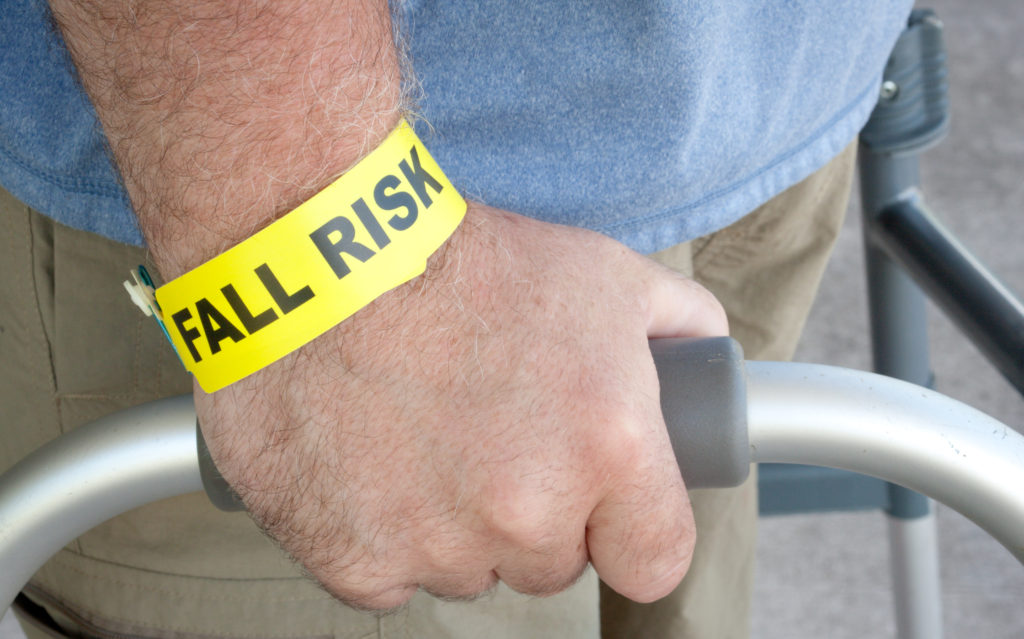
You’ve seen the commercials so much now that it’s almost cliche – “I’ve fallen and I can’t get up.” By now, everyone knows how serious a fall can be to a senior. According to the CDC, 36 million falls are reported among seniors each year. One in five falls causes an injury, and over 32,000 seniors die annually as the result of a fall. And as great as services are that assist seniors after they fall, it would obviously be much better if the fall never happened.

Well, there is help. In Ohio, two organizations have a specific goal of preventing falls for seniors. A statewide program, SteadyU, is a program run by the Ohio Department of Aging. They emphasize reducing falls by paying attention to the “Three H’s” – your home, your health and your habits. They offer tips and assistance in avoiding falls. They also offer a Falls Risk Assessment, an anonymous questionnaire designed to determine your risk of having a fall.

In Southwest Ohio, the Falls Prevention Taskforce seeks to “reduce falls and fall-related injuries in older adults though community collaboration, awareness, education and effective interventions.” Over 20 groups and organizations throughout Southwest Ohio, Northern Kentucky and Southeast Indiana help find ways to keep seniors safe from falls in their homes. They offer screening tools, news, classes – such as Tai Chi and yoga – that help with balance, and much more.

Though both resources are based in Ohio, the information and tools provided can help anyone!

In addition to these state resource, the CDC also publishes a Stay Independent Brochure with helpful tips and a risk assessment.

All of these resources are free, and could help prevent a fall. So be sure to check them out!